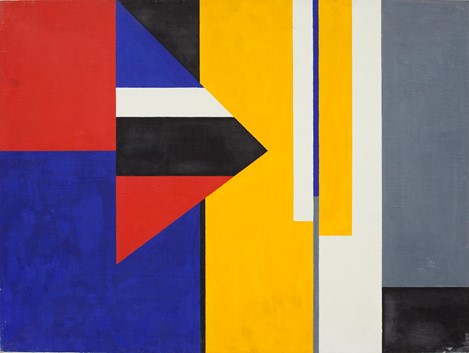
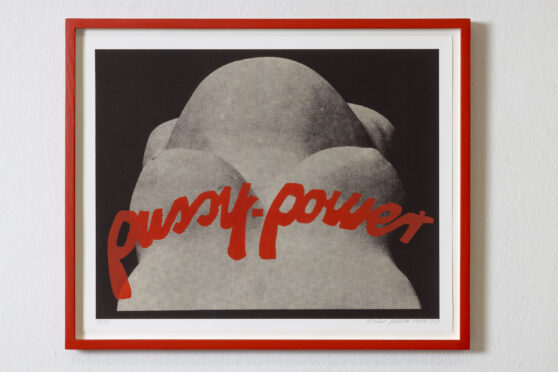
Albert Mertz had his exhibition debut at only thirteen years old in 1933 and began studying at the Royal Danish Academy of Fine Arts in 1936. Over the course of a career spanning more than five decades, Mertz established himself as one of the most significant and uncompromising figures in postwar Danish art. In 1979, he returned to the Academy as a professor, a position he held until his death in 1990, influencing a younger generation of Danish artists through both his teaching and artistic practice.
Mertz worked across a wide range of media and disciplines, gaining recognition not only as a painter, but also as an art critic, theorist, filmmaker, and experimental practitioner. His work was marked by a continuous investigation of abstraction, color, materiality, and perception, often balancing rigorous conceptual structures with a playful and intuitive visual language. Throughout his career, he remained deeply engaged with the international avant-garde while maintaining a distinctly personal artistic voice.
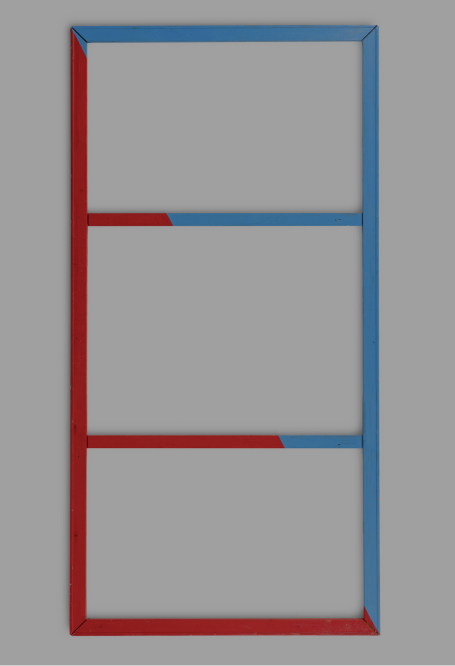
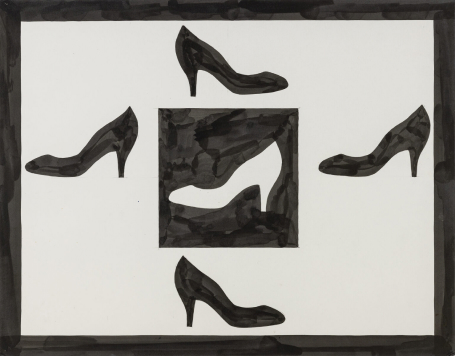
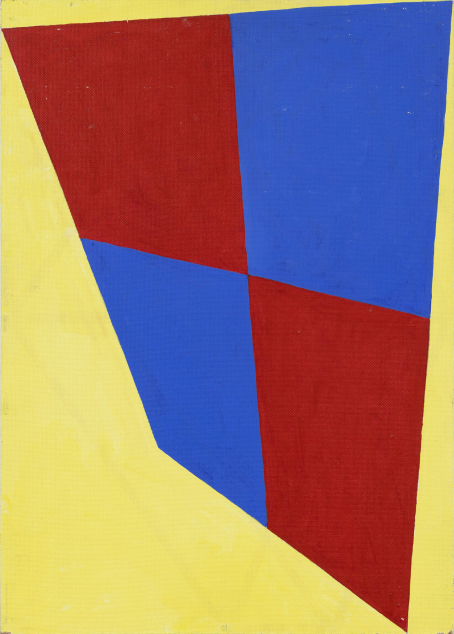
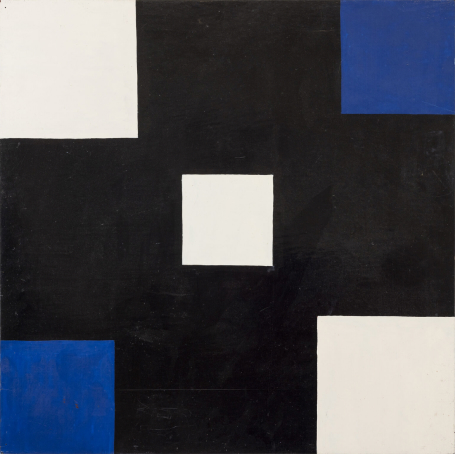
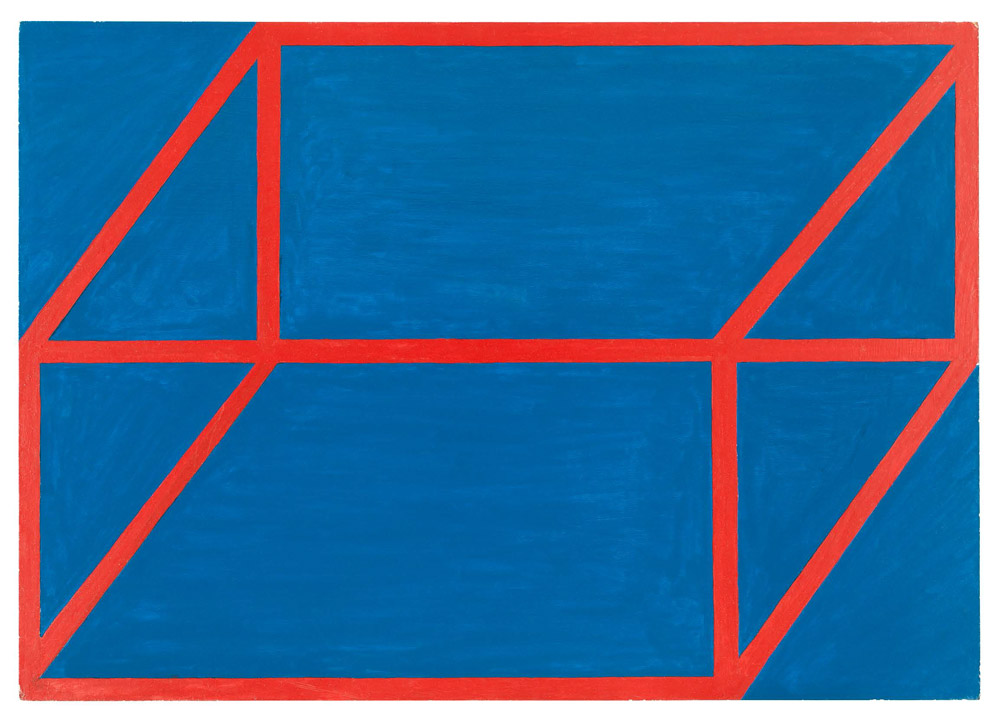
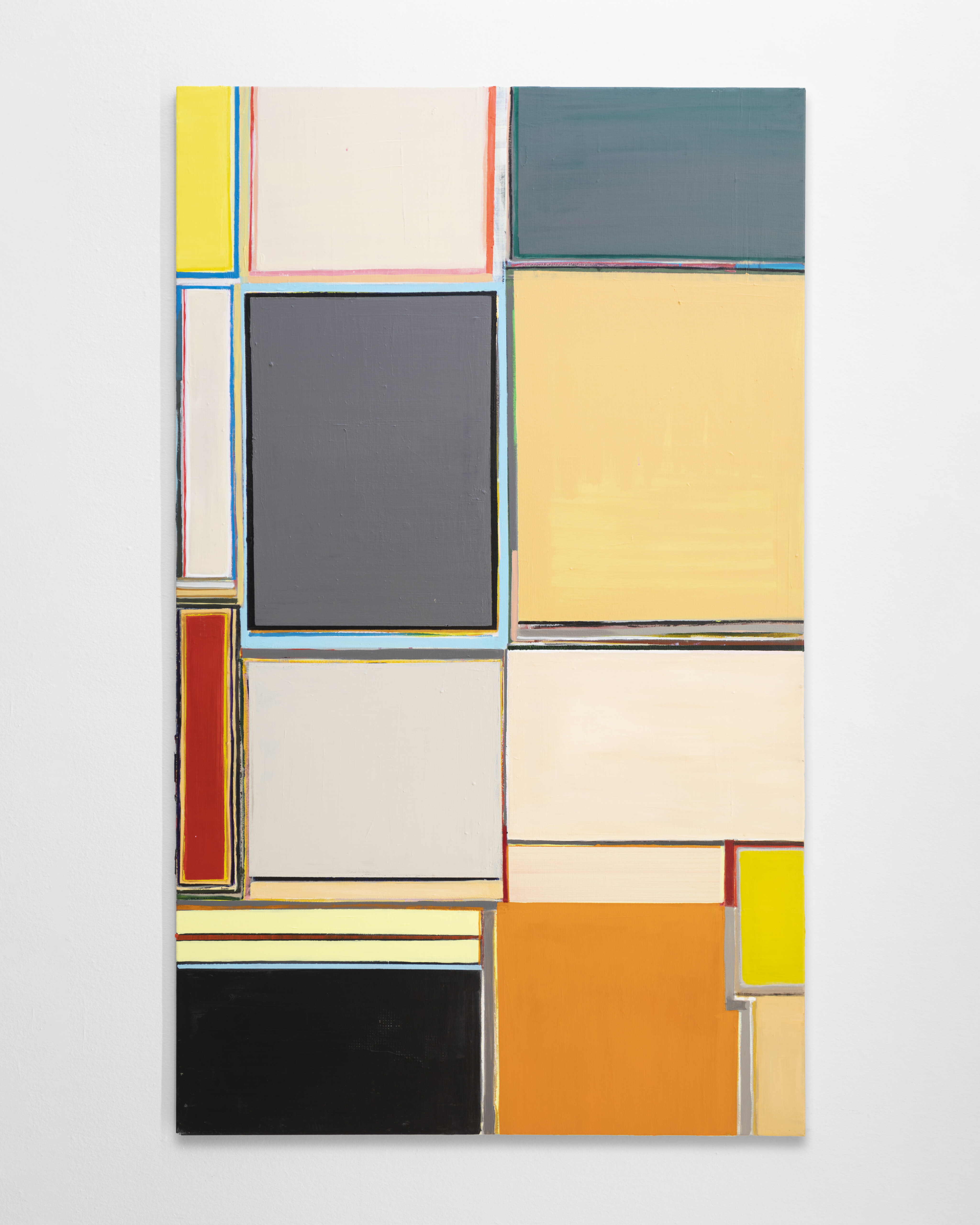
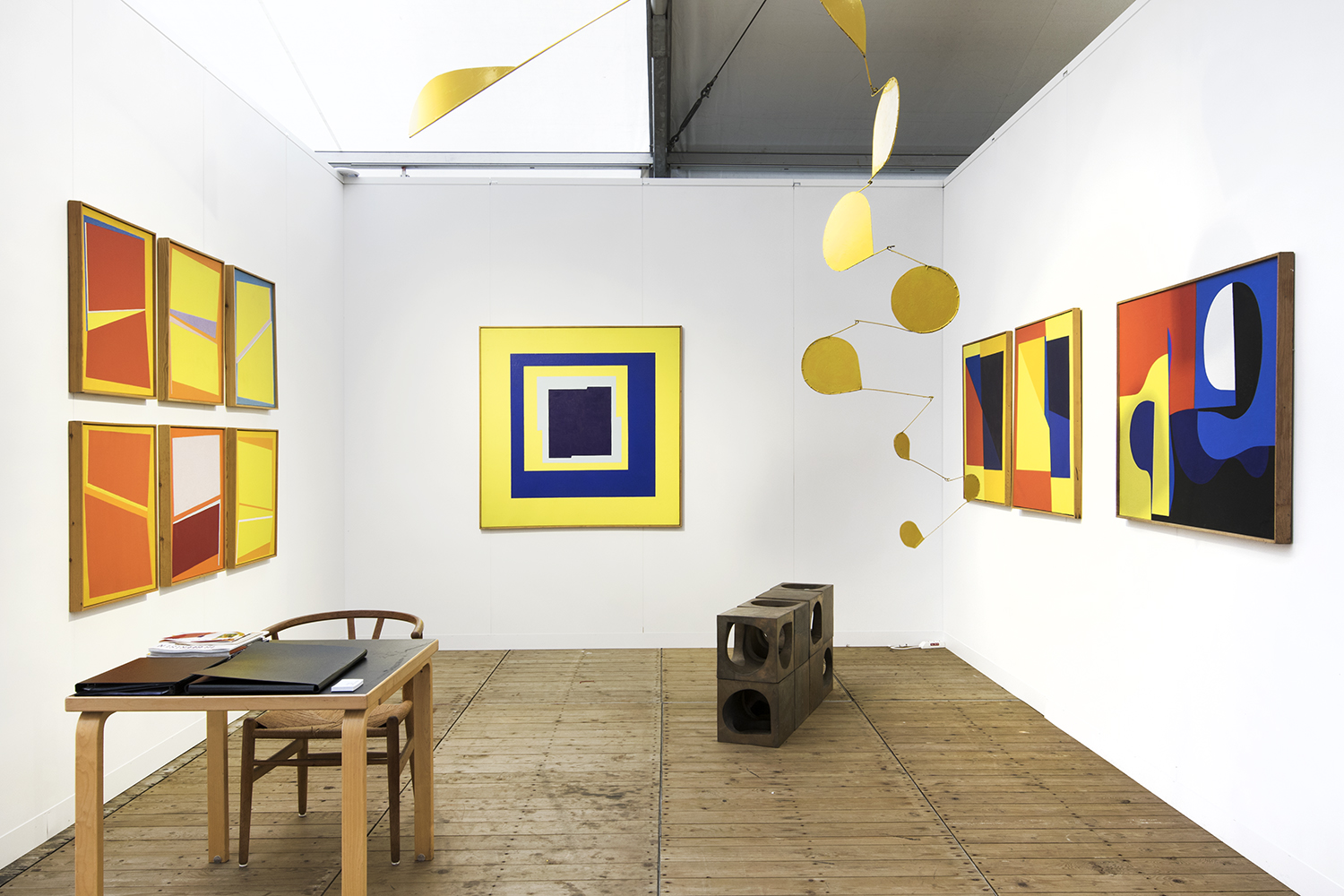
In 1947, Mertz co-founded the artist group Linien II, which played a central role in introducing and developing concrete and abstract art in Denmark after the Second World War. He also exhibited extensively with the influential Danish artists’ associations Grønningen and Den Frie. His artistic production ranged from early surrealist-inspired works to later geometric and color-based compositions, including the red and blue paintings that became iconic within his oeuvre.
Following his death, Mertz represented Denmark at the 21st São Paulo Biennale in Brazil in 1991, further cementing his international reputation. Today, his works are represented in all major Danish art museums as well as prominent international institutions including Moderna Museet and National Museum. His work is also included in significant private and corporate collections such as the Daimler Art Collection.
Throughout his career, Albert Mertz received numerous distinctions for his contribution to Danish art, including the prestigious Eckersberg Medal in 1964 and the Thorvaldsen Medal in 1988, two of the highest honors awarded to artists in Denmark.